
Overview
Oaxaca is a cultural and traditional city in southern Mexico whose Centro Historico holds UNESCO World Heritage status. It has emerged as a major digital nomad hotspot thanks to its low cost of living, reliable fast internet, and rich artistic scene. The city offers a deeply authentic Mexican experience — outdoor markets, art galleries, mezcal culture, and archaeological sites — without the tourist-resort feel of Caribbean coast destinations like Playa del Carmen or Tulum. [source: homeednetwork.org, YouTube digital nomad guides]
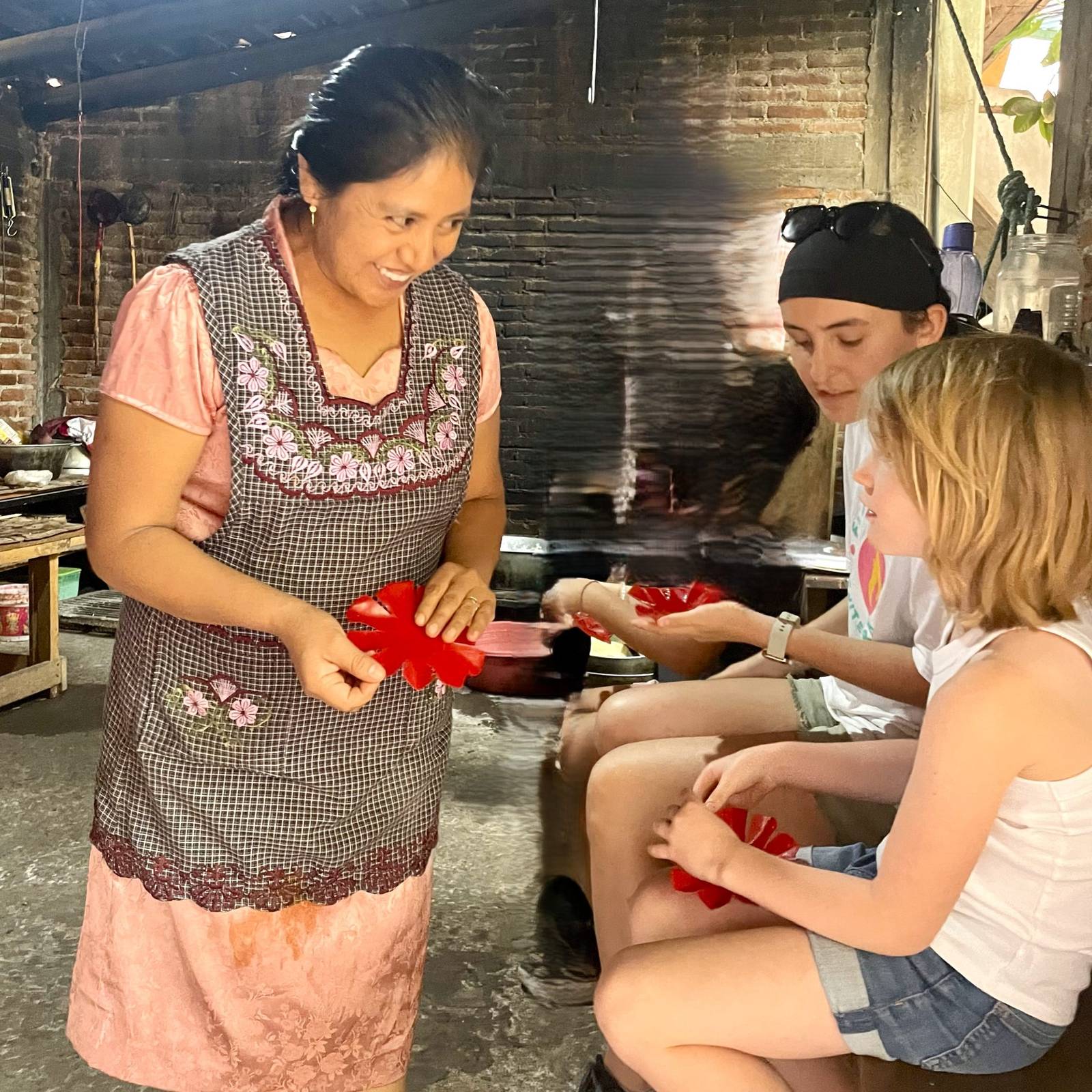
For worldschooling families, Oaxaca delivers an immersive cultural education. Kids can explore pre-Columbian ruins, learn about indigenous textile traditions, visit working mezcal distilleries, and practice Spanish in everyday interactions at local markets. The strong and growing expat community means families are unlikely to feel isolated.
Cost of Living
Oaxaca is one of the most affordable bases in Mexico for nomad families:
- Overall monthly budget: $1,000-1,800/month depending on lifestyle (as of 2026). [source: YouTube digital nomad guides]
- Housing in Centro: Long-term rentals (6 months or more) run 10,000-20,000 pesos/month, roughly $550-800 (as of 2026). [source: YouTube digital nomad guides]
- Studios outside the center: Available from 5,000 pesos/month, under $300 (as of 2026). [source: YouTube digital nomad guides]
- 1-3 bedroom apartments: $500-1,500/month depending on size and location (as of 2026). [source: YouTube digital nomad guides]
- Short-term rooms / Airbnb: Rooms in shared apartments run $200–$300/month. Studio or 1BR for yourself runs $300–$500/month [source: YouTube — 10 Cheap Digital Nomad Cities, 2026-03-20].
- Food: Cooking at home is very affordable. Local markets such as Mercado De La Merced and Central De Abastos offer fresh produce at low prices. Two-person grocery budget: ~1,000 pesos/week (~$50). Maid service: ~$20–$25/day.
- Transportation: A scooter costs approximately 30,000 pesos to purchase. Local taxi: ~50 pesos per trip. Walking and biking work for most of the Centro. [source: YouTube digital nomad guides]
- Internet at home: Local cable TV/internet bundles run ~$27/month for 150 Mbps. Mobile data: Telcel SIM with data $15–$20/month [source: YouTube — 10 Cheap Digital Nomad Cities, 2026-03-20].
Coworking in Oaxaca
Specific spaces with verified specs for working parents [source: YouTube — 10 Cheap Digital Nomad Cities, 2026-03-20]:
- Convivio — local coworking with 200 Mbps internet. Strong choice for video-call-heavy roles.
- Centrico Cowork — Centro-based local space.
- Casa Bastia — another Centro option.
- Outsite and Selina — international co-living/coworking chains with Oaxaca locations, useful when you want a known brand and English-speaking community.
Compared to the touristy areas of Puerto Vallarta, Playa del Carmen, and Tulum, Oaxaca offers significantly better value for money. [source: homeednetwork.org]
Worldschooling Programs & Hubs
- Deliberate Detour: Offers 2-3 week cultural immersion programs for ages 7-16 in Oaxaca. [source: homeednetwork.org]
- Rizoma: A community hub in Oaxaca (Instagram: @rizoma.comunidad). [source: homeednetwork.org]
- World School Mexico: Runs excursions from their base in San Miguel de Allende, with Oaxaca as a destination. See San Miguel de Allende, Mexico for more on this program. [source: homeednetwork.org]
- Noma Collective: Has an "Oaxaca 2026" edition listed on their website. [source: noma-collective.com]
Attractions & Learning Opportunities
Oaxaca is a natural classroom for history, culture, and ecology:
- Monte Alban: Zapotec archaeological site perched above the Oaxaca Valley with 360-degree panoramic views. One of Mexico's most important pre-Columbian ruins.
- Santiago Matatlan: Known as the "Capital of Mezcal," offering distillery tours and lessons in traditional production methods.
- Puerto Escondido: A Pacific coast beach town within day-trip or weekend-trip distance, popular for surfing and marine life.
- Markets: Mercado De La Merced and Central De Abastos provide hands-on lessons in local agriculture, commerce, and cuisine.
- Arts & culture: The city is packed with bars, restaurants, art galleries, gyms, yoga studios, and outdoor markets. [source: homeednetwork.org, YouTube digital nomad guides]
Community & Meetups
Oaxaca has a strong and active expat community. Multiple Facebook groups exist for expats and digital nomads, and these groups regularly organize in-person events and meetups. Families connecting through these groups can find playdates, co-working companions, and local tips quickly. [source: YouTube digital nomad guides]
Practical Info (visas, internet, safety, neighborhoods)
- Visas: Mexico grants a 180-day tourist visa (FMM) on arrival for most nationalities, giving families up to six months without needing to leave the country. [source: YouTube digital nomad guides]
- Internet: Fast and reliable — a key reason Oaxaca has attracted the digital nomad community. Cafes and co-working spaces offer strong connections.
- Neighborhoods: Centro Historico is the cultural heart and most walkable area. Living outside the center saves money but may require a scooter or taxi for daily errands.
- Language: Spanish is the primary language. English is spoken in some tourist-facing businesses, but families will benefit from at least basic Spanish.
Best For (family types, kids ages, budget ranges)
- Budget-conscious families seeking authentic cultural immersion rather than resort-style living.
- Families with school-age children (7-16) who can participate in Deliberate Detour's programs.
- Digital nomad parents who need reliable internet and a low cost of living.
- Families interested in history, indigenous culture, art, and food as core learning themes.
- Those planning a longer stay (3-6 months) to take advantage of long-term rental pricing.
Seasons & Timing
- Nov -- Apr (dry season): The most popular time to visit. Pleasant temperatures in the mid-70s to mid-80s F. Clear skies most days.
- May -- Oct (rainy season): Afternoon showers are common but usually brief. The city is greener and less crowded. Prices may be lower for accommodations.
- Late Oct -- early Nov: Dia de los Muertos celebrations are spectacular in Oaxaca and a major worldschooling opportunity. Book accommodations well in advance for this period.
- Jul (Guelaguetza festival): A major indigenous cultural festival with traditional dance, music, and costumes. Another peak period worth planning around.
Related Locations
- San Miguel de Allende, Mexico — Another popular Mexican worldschooling base with World School Mexico programs.
- Playa del Carmen, Mexico — Caribbean coast alternative with more beach focus but higher costs.
- Budgeting Family Travel — Practical guidance on managing finances while worldschooling.
Sources
- homeednetwork.org
- noma-collective.com
- YouTube digital nomad guides