
Overview
Hvar is a sun-drenched Mediterranean island in the Adriatic Sea, off the Dalmatian coast of Croatia. The worldschooling community centers on the town of Jelsa and surrounding villages including Stari Grad. With roughly 10,000 year-round residents, Hvar holds the distinction of having the most UNESCO Heritage sites of any European island -- a living classroom of history, agriculture, and maritime culture.
Croatia is an EU member state that adopted the euro, making transactions straightforward for European visitors. The country is a stable democracy with some of the lowest crime rates in the world. English is widely spoken among people under 40, so day-to-day communication is rarely a barrier for anglophone families. Croatia also offers a digital nomad visa allowing stays of up to two years with tax-free status, making it especially attractive for location-independent parents. Croatia was one of the first EU countries to launch a digital nomad visa (in 2021), and the program is still going strong [source: YouTube — Top 10 Best Countries for Digital Nomads, 2026-03-20].
Schengen note: Croatia joined the Schengen Area on January 1, 2023. This means tourists on a standard 90-day Schengen allowance now spend their Schengen days while in Croatia — making the dedicated digital nomad visa more important than before for families wanting longer stays. The DN visa keeps you outside the 90/180 Schengen counter [source: YouTube — Top 10 Best Countries for Digital Nomads, 2026-03-20].
Community resources: The Digital Nomad Association in Croatia and the Digital Nomads Croatia Facebook group are active community channels that support families and remote workers in the country.
A daily ferry connects Jelsa to Split (approximately one hour), a city of 500,000 with an international airport, giving families easy access to flights across Europe and beyond.
Cost of Living
Hvar is affordable compared to North America and Northern Europe, though prices rise during the summer tourist season. Groceries, dining, and local transport are reasonable. Private healthcare in Croatia is inexpensive and widely accessible. Accommodation ranges from modest village rentals to resort-style family housing.
Worldschooling Programs & Hubs
The Field School of Hvar is the anchor program for worldschooling families on the island.
- Summer sessions: 2-week sessions at EUR 1,300 per session. Maximum 45 children per session. Ages 3-14. Schedule follows a Mediterranean rhythm, running from 2pm to 9pm.
- Academic year (fall/spring semesters): EUR 3,600 per semester. Ages 3-17. More traditional daytime hours. Booking both semesters earns a 50% discount on the second.
- Discounts: 4th child and beyond receives a 50% discount. Junior Guides (ages 13+) attend free.
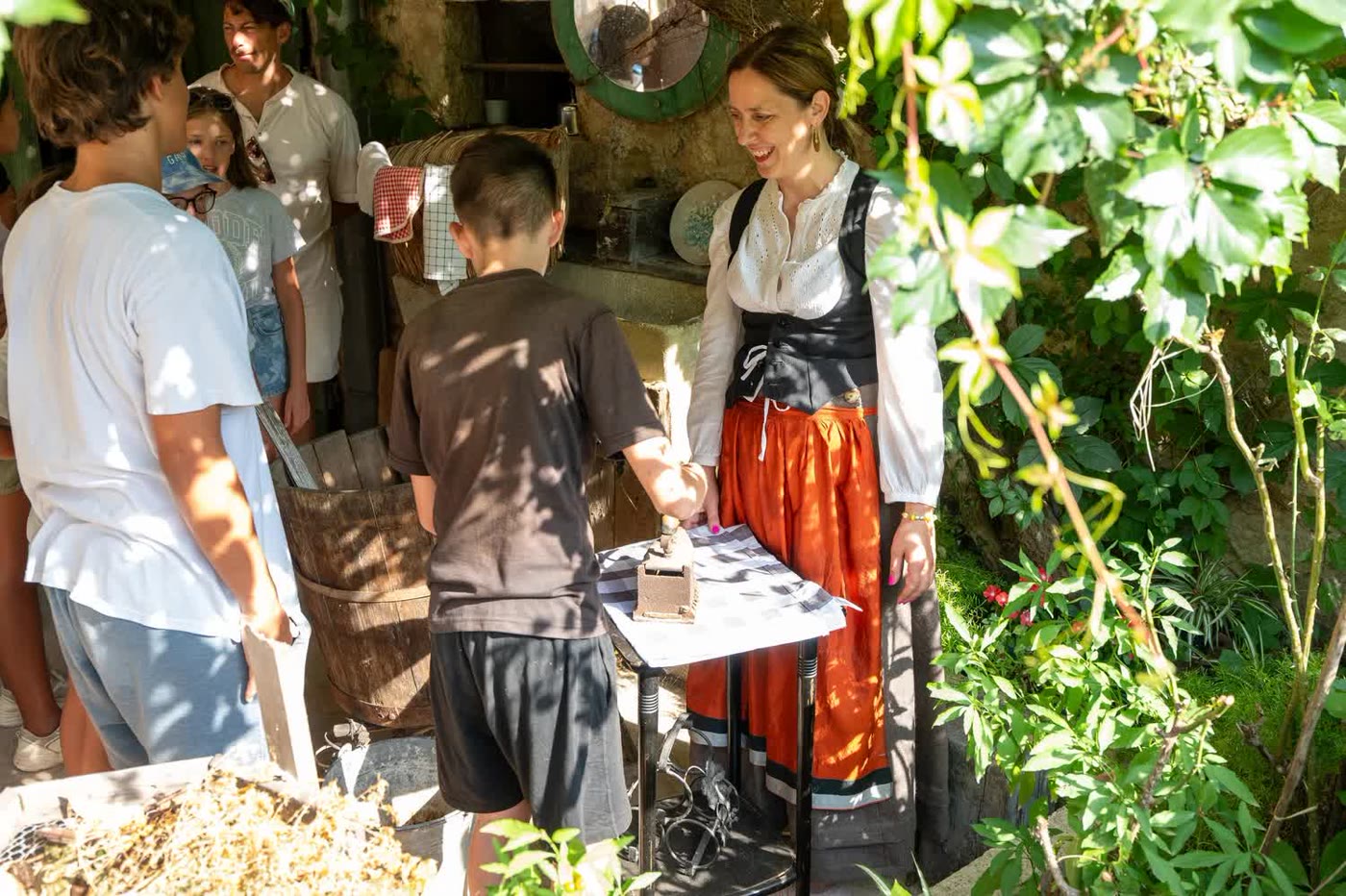
The Field School's pedagogy is place-based, screen-free, and peer-led. Learning themes are organized around four pillars: Growers, Makers, Explorers, and Healers. Activities are heavily outdoor-focused -- sailing, hiking, kayaking, and agricultural projects form the backbone of the curriculum.
Tech policy: The Field School strongly limits consumer technology. There are no Chromebooks or learning apps. Physical books are the norm, and the school maintains a growing lending library for families.
Spiritual basis: The program is secular but informed by Catholic values of stewardship, enlightenment, and human dignity. No religious activities are required.
Pop-Up Hubs nearby: Athens (May 2026) and Naples (April 2026) offer additional short-term programming in the region.
Community & Meetups
Community life revolves around a family coliving village at the Fontana Resort. Parents have access to coworking facilities on-site, making it feasible to work while children attend programming. The community organizes welcome dinners, workshops, and skill shares so that families integrate quickly, even during short summer stays.
The coliving model means families live in close proximity, share meals, and build relationships that often extend well beyond a single session.
Practical Info
- Getting there: Fly into Split Airport, then take the daily ferry to Jelsa (approximately 1 hour). Catamaran and car ferry options are available.
- Language: Croatian is the official language. English is widely spoken, especially among younger residents.
- Currency: Euro (EUR).
- Visas: EU citizens have freedom of movement. Non-EU citizens can stay up to 90 days visa-free (standard Schengen rules) or apply for the Croatian digital nomad visa for longer stays.
- Healthcare: Private healthcare is inexpensive. EU citizens can use their EHIC card for public services.
Best For
- Families seeking a screen-free, outdoor-focused, values-driven educational experience.
- Parents who want to combine remote work with a structured worldschool program.
- Families looking for a Mediterranean pace of life with strong community infrastructure.
- Those interested in a longer academic-year commitment at a significant discount.
Seasons & Timing
- Summer (June-August): Peak season. The Field School runs its 2-week sessions. Hvar is warm and busy with tourists. Book early as summer sessions cap at 45 children.
- Fall semester (September-December): Quieter island, pleasant weather through October. Academic year programming runs on traditional daytime hours.
- Spring semester (January-May): Mild weather returns by March. Combined fall+spring booking offers the best value.
- Winter: The island is very quiet. Limited services and programming. Not recommended unless seeking deep solitude.
Related Locations
- Syros, Greece -- Another Mediterranean island with worldschooling community, accessible via ferry networks.
- Tuscany, Italy -- Overland Europe option with its own worldschooling programs.
- Athens and Naples pop-up hubs offer short-term Field School programming nearby.
Sources
- fieldschoolhvar.org (main site, enrollment, child enrichment, community life pages)
- homeednetwork.org (directory listing)